Can You Really Learn to Drive at 16? PIP Rules Explained
The Rules on PIP Entitlement Explained
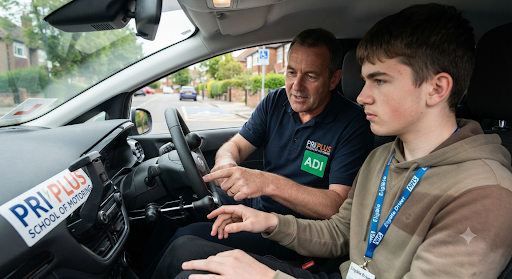
When most people think of learning to drive in the UK, they picture turning 17, sending off a provisional licence application, and booking those milestone first lessons. But did you know that some teenagers can legally get behind the wheel a whole year early at 16 years old?
We recently had an enquiry from one of our driving instructors whose family member was wondering about this exact rule. It’s a fantastic provision designed to boost independence and mobility, but there are specific criteria, legal steps, and professional requirements that both learners and driving instructors need to keep in mind.
Here is everything you need to know about learning to drive at 16 through PIP entitlement.
Key Takeaways
- Age 16 Eligibility: Individuals receiving the enhanced rate of the mobility component of PIP (or higher rate DLA/Child Disability Payment) can legally hold a provisional car licence and drive from age 16.
- Professional Standards: Paid driving tuition must be delivered by a fully qualified Approved Driving Instructor (ADI) with a valid green badge to ensure correct insurance coverage and regulatory compliance.
- Mobility Support: Families utilising the Motability Scheme can explore grant funding options (such as support from the Motability Foundation) to help cover the cost of driving lessons.
Who Can Learn to Drive at 16?
The standard legal minimum age to drive a car on public roads in the UK is 17. However, an exception is made for individuals who meet a specific benefit qualification.
What PIP Entitlement Do You Need to Drive at 16?
To apply for a provisional car licence at 16 with Category B entitlement, the individual must be receiving the enhanced rate of the mobility component of Personal Independence Payment (PIP) (or the higher rate mobility component of Disability Living Allowance/Child Disability Payment).
Once they have their valid provisional licence showing the correct category start date, eligible 16-year-olds are also permitted to take their DVSA theory test early.
Why Do You Need a Fully Qualified Approved Driving Instructor (ADI)?
If a learner is paying for professional lessons, the law is strict: you cannot pay an unqualified person for driving instruction.
For driving instructors and families looking to start lessons at age 16, a key rule applies to the teaching credentials:
- Fully Qualified ADIs Only: Any professional providing paid instruction to a 16-year-old provisional licence holder must be a fully qualified Approved Driving Instructor (ADI) holding a valid green badge.
- Trainee Restrictions: While trainee instructors (pink badge holders) can teach standard 17+ learners under certain corporate or supervision rules, it is vital for schools to verify that their insurance policies and licensing parameters fully cover 16-year-old provisional holders—making fully qualified ADIs the standard and safest route for these specialist early lessons.
Do You Need a Specialist Driving Instructor or Car?
This is one of the most common questions families ask. The short answer is: It depends entirely on the individual learner’s physical or cognitive needs.
- Standard Tuition vs. Adaptations: The age exception itself is administrative—it grants the legal right to hold a provisional licence early. If a 16-year-old learner has no physical disability requiring vehicle modifications, they can learn in a standard dual-controlled car with a qualified ADI.
- When Specialist Adaptations Are Needed: If the learner requires physical modifications (such as push-pull hand controls, a left-foot accelerator, or steering aids), they will need a vehicle specially adapted to those needs.
- Finding Specialists: Instructors or families can consult networks like Disability Driving Instructors (DDI) or Driving Mobility to locate vehicles and professionals equipped with specialised adaptive setups.
What Do Driving Instructors Need to Check
If you are a driving instructor fielding enquiries about this scheme, keep these operational tips in mind:
- Conduct a Thorough Licence Check: Never take a client's word for it. Always use the GOV.UK "view or share your driving licence" service and inspect the physical card. Verify that the Category B "from date" matches their 16th birthday or issue date, proving the early entitlement is live.
- Check Your Insurance Policy: Not all standard driving school insurance policies automatically cover 16-year-old provisional licence holders. Check with your insurer before taking on the booking.
- Benefit Status Continuity: Remind families that the early licence relies on the ongoing qualifying benefit. If there is a change in benefit status before the driver turns 17, DVLA guidelines should be followed.
Can Motability Help Pay for Driving Lessons?
For families utilising the Motability Scheme, there is another major advantage. Young drivers aged 16 to 24 who receive qualifying mobility benefits and have access to a Motability vehicle may be eligible for grant funding from the Motability Foundation—which can help cover the cost of up to 40 hours of professional driving lessons.