Modern Teaching Styles Create Safer, Confident Drivers
Why Client Centred Learning is the secret to over coming Driving Anxiety
Learning to drive is about far more than just mastering clutch control or memorising road signs. It is about developing the decision-making skills needed to stay safe for life.
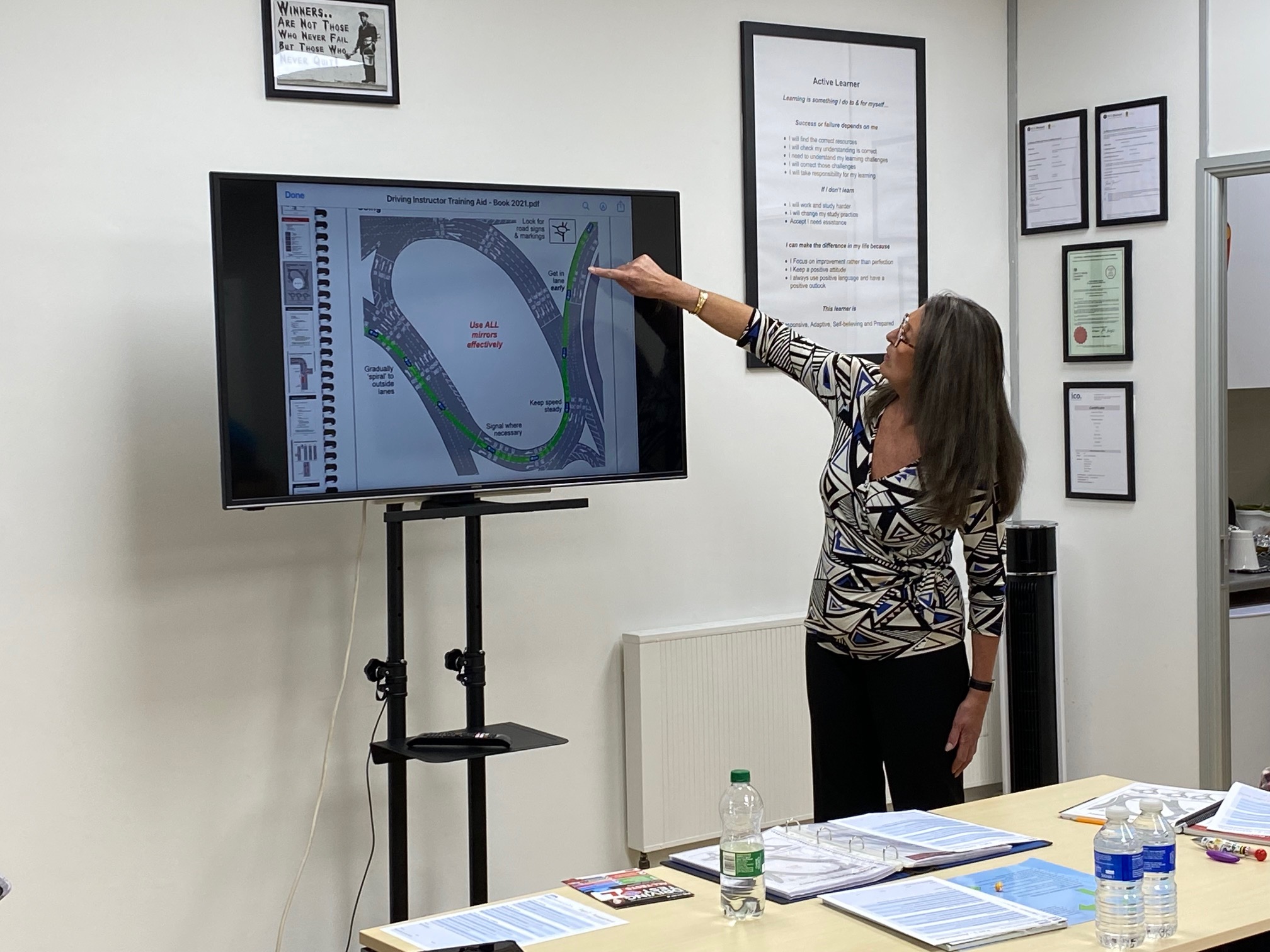
The days of the old-school, shouty driving instructor barking directives like "Turn left," "Stop here," or "You're in the wrong gear" are firmly in the past. Today, the Driver and Vehicle Standards Agency (DVSA) champions a highly effective, modern approach to driver training.
At Pri Plus School of Motoring, our team of professional instructors stays ahead of the curve by utilising the latest, evidence-based teaching styles and linguistic techniques. Let’s look at how the language used in your car can completely transform your learning experience.
1. What is Client-Centred Learning (CCL)?
The gold standard of modern driver training is Client-Centred Learning. Instead of the instructor treating you like a passive passenger who just follows instructions, CCL actively involves you in the design and direction of your own lesson plan.
The DVSA emphasises that when learners take active responsibility for their learning, they retain information better and develop deeper insight into their own strengths and limitations.
- The Old Way: The instructor tells you, "Today we are doing roundabouts for an hour." It doesn't matter if you feel unready or if you'd rather practice parallel parking; you simply do what you're told.
- The Pri Plus Way: We discuss your goals at the start of the session. An instructor might say: "You handled junctions brilliantly last week. How are you feeling about moving on to roundabouts today, or is there something else you'd like to polish first?"
By putting you at the heart of the process, you learn at a pace that matches your confidence, directly reducing anxiety and building genuine autonomy.
2. The Power of Language: Open vs. Closed Questions
A crucial element of client-centred learning is the specific language and questioning techniques an instructor uses. The way a question is framed changes how your brain processes a driving scenario.
Closed Questions (The "What" and "Yes/No")
Closed questions generally have a single right or wrong answer, or elicit a simple "yes" or "no." While they are highly useful in fast-moving situations where immediate clarity is needed, they don't force a learner to analyze why something happened.
Example: "Did you look in your interior mirror before braking?"
The response is a simple "yes" or "no," which doesn't necessarily help you understand the deeper hazard.
Open Questions (The "How" and "Why")
Open questions require thought, evaluation, and self-reflection. They encourage you to actively scan your environment and make independent cognitive decisions—the exact skills you need when you eventually drive alone.
Example: "What did you notice about the silver car behind you when you started slowing down?"
This forces you to recall your mirror checks, assess the behavior of the trailing vehicle, and evaluate your own braking distance.
Our instructors balance these techniques perfectly. We use open questions during quiet moments or roadside briefings to stimulate deep learning, and crisp, clear instructions when safety requires immediate action.
3. Aligning with Government Standards for Lifelong Safety
The DVSA’s National Standard for Driver and Rider Training outlines that vehicle management skills (steering, acceleration, braking) develop relatively quickly for most novices. The real challenge—and the key to reducing post-test collisions—lies in higher-order cognitive skills like hazard perception, anticipation, and self-control.
Government research indicates that traditional, instructor-led "tell-show-do" methods often fail to prepare new drivers for real-world independent driving. When an instructor relies entirely on telling you what to do, you become dependent on their eyes.
When you choose a school that embraces client-centred techniques, you learn to:
- Anticipate the intentions of other road users.
- Manage real-world distractions (like navigating via a SatNav, a key element of the modern 45-minute practical driving test).
- Accurately self-assess your skills so you don't take unnecessary risks after passing.
Experience the Pri Plus Difference
At Pri Plus School of Motoring, we take immense pride in our coaching standards. Our instructors don't just teach you how to pass a 45-minute test; they use advanced communication tools to build your identity as a safe, independent motorist.
Whether you are an eager beginner or a particularly nervous student, our tailored linguistic approach ensures you always feel supported, respected, and completely in control of your journey.
Give our friendly team a call today on 0333 772 9842 or find your local instructor to book your first lesson and take your first step toward a full UK driving licence.